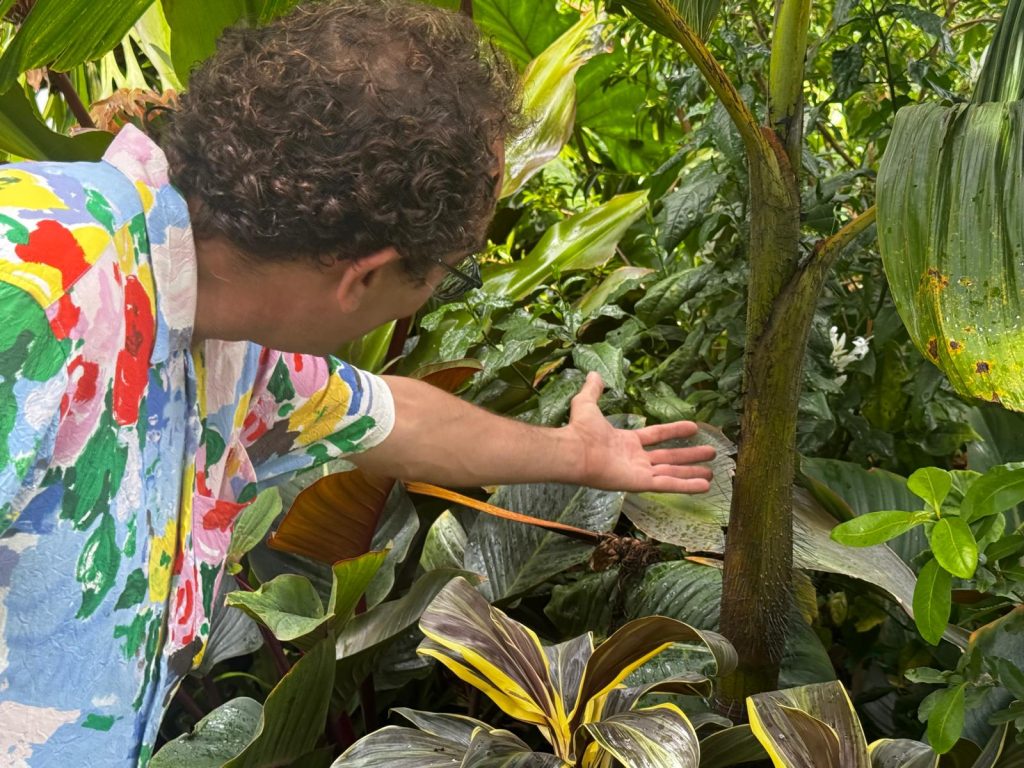
Casey built my garden
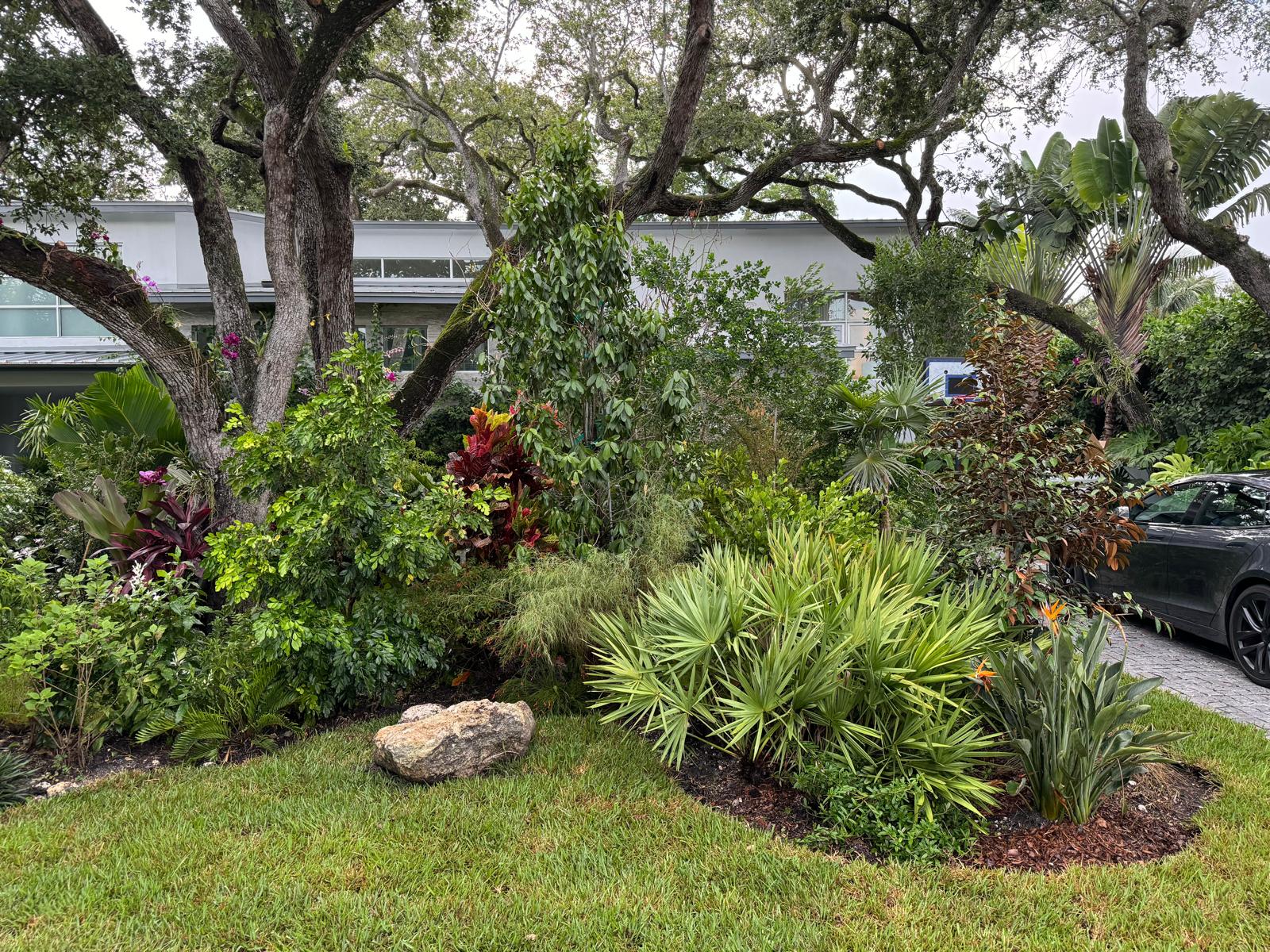
Gardens should be a place of life, connection, and biodiversity
That’s why I asked Casey to transform mine into a living ecosystem, and create a haven of natural beauty and wildlife right in the heart of the city.
Transforming My Garden with Casey Zap
A Garden Reborn
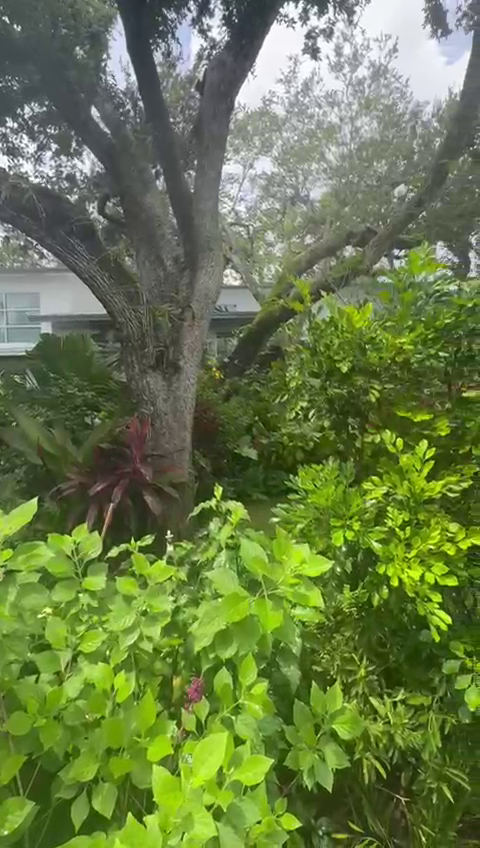
Meet Casey Zap, Director of the Center for Subtropical Affairs. Casey’s passion for native plants and sustainable design turned my garden into a thriving ecosystem.
He replaced lifeless ornamentals with native species that feed bees, birds, and butterflies, creating a natural haven of privacy and beauty right here in my yard. This garden isn’t just green space—it’s a living, breathing sanctuary for both us and the wildlife around us.
A Sanctuary for People and Wildlife
Tranquility
Transforming the garden wasn’t just about planting—it was about creating harmony. Casey blended native trees, shrubs, and flowers, allowing everything to grow together naturally, just as in the wild.Now, our yard is a tranquil space where people and wildlife coexist, with bees, birds, and butterflies thriving alongside us. Embracing biodiversity has turned our garden into a living sanctuary.
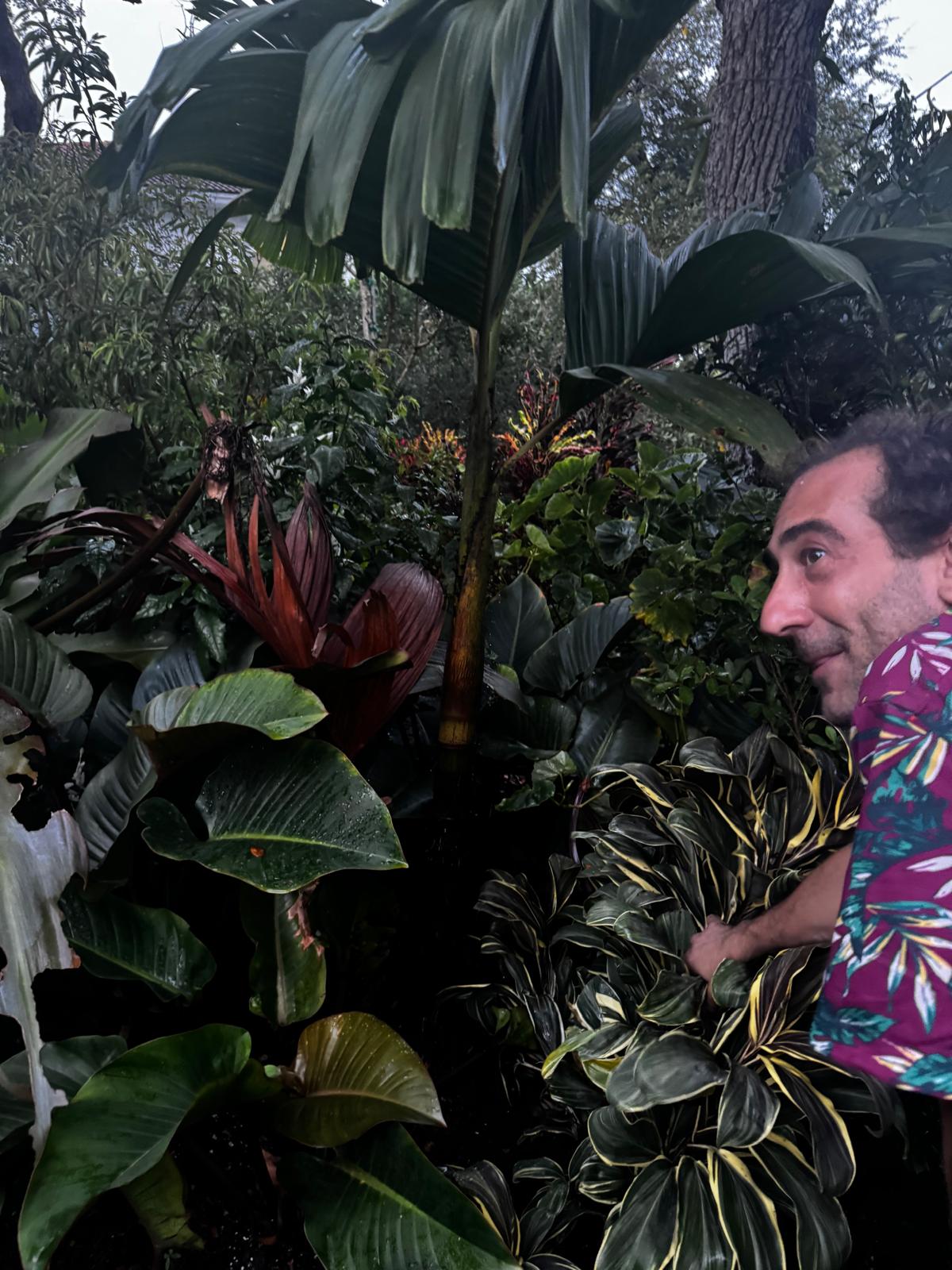
Some of the plants
accent heading
Native Region: North America and Asia.
- Produces edible fruits that resemble blackberries.
- Fast-growing tree that can reach maturity quickly.
- Leaves are the primary food source for silkworms.
Urban Garden Benefits: Provides edible fruit, rapid growth for shade, and ornamental value.
Wildlife Attraction: Attracts birds, especially those that feed on berries like cardinals.

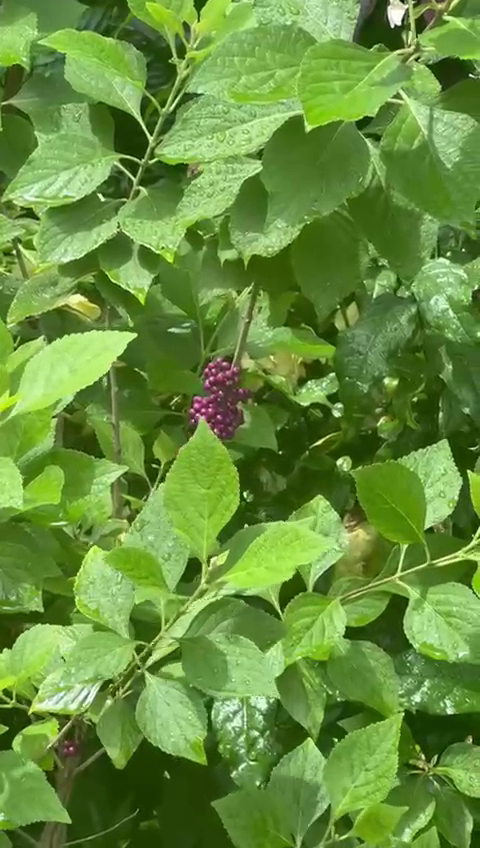
Native Region: Southeastern United States, including Florida.
- Produces bright purple berries in clusters along the stems.
- Leaves have natural mosquito-repellent properties.
- Deciduous shrub with vibrant fall color and fruit display.
Urban Garden Benefits: Adds color, deters mosquitoes, and requires minimal maintenance.
Wildlife Attraction: Berries attract birds, and the plant provides habitat for pollinators.

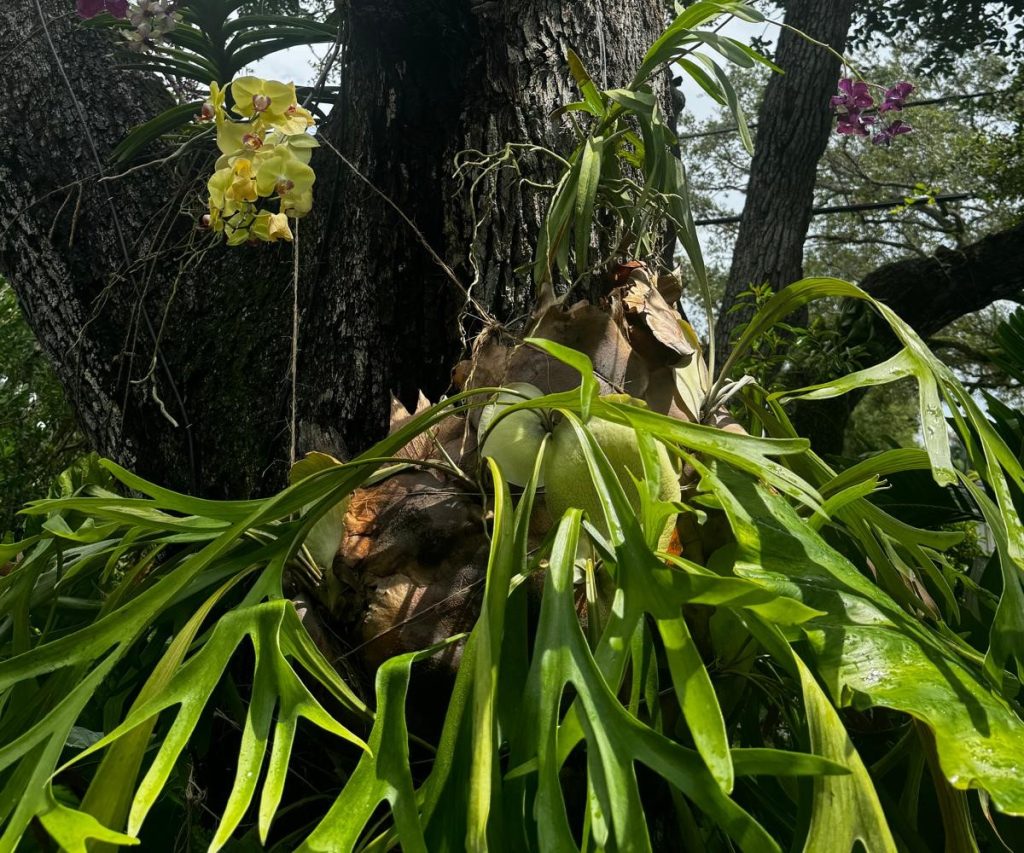
Native Region: Australia, Southeast Asia, and parts of Africa.
- Epiphytic fern often mounted on trees or wooden boards.
- Unique fronds resemble stag antlers, giving it its name.
- Can absorb nutrients directly from the air and from composted organic matter placed on it.
Urban Garden Benefits: Unique appearance, low maintenance, and excellent for vertical gardening.
Wildlife Attraction: Provides a microhabitat for small insects and sometimes small reptiles.

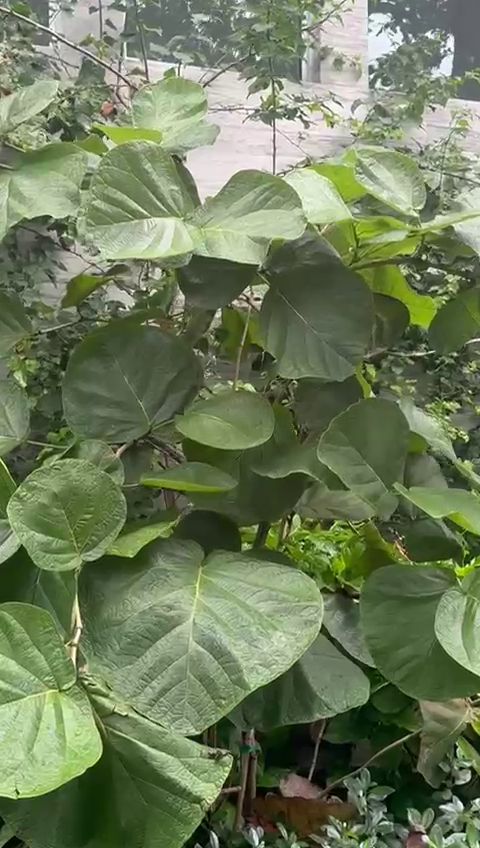
Native Region: Coastal areas of Florida, the Caribbean, and Central America.
- Large leaves can grow up to several feet in diameter.
- Produces edible fruit clusters resembling grapes.
- Salt-tolerant and thrives in sandy, coastal conditions.
Urban Garden Benefits: Provides large foliage for shade and privacy and has edible fruits.
Wildlife Attraction: Fruits attract birds and small mammals.
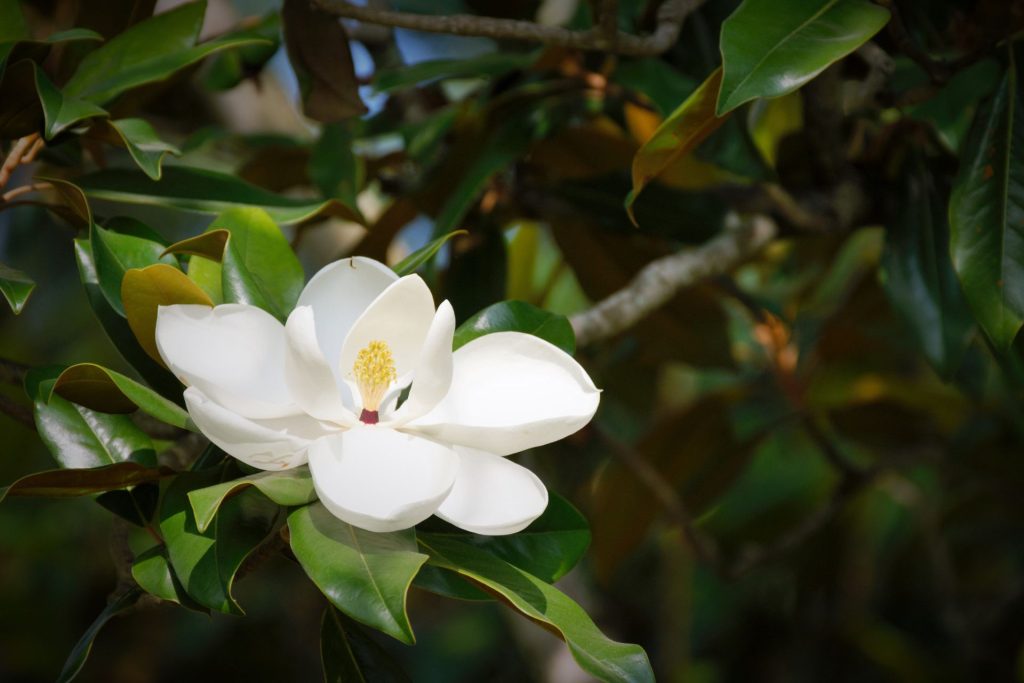
Native Region: Southeastern United States.
- Large, fragrant white flowers are a hallmark of the magnolia tree.
- Can grow very large, providing significant shade and ornamental value.
- Evergreen leaves are thick and glossy, adding year-round interest.
Urban Garden Benefits: Provides shade, ornamental beauty, and privacy.
Wildlife Attraction: Flowers attract pollinators, and seeds are eaten by birds.

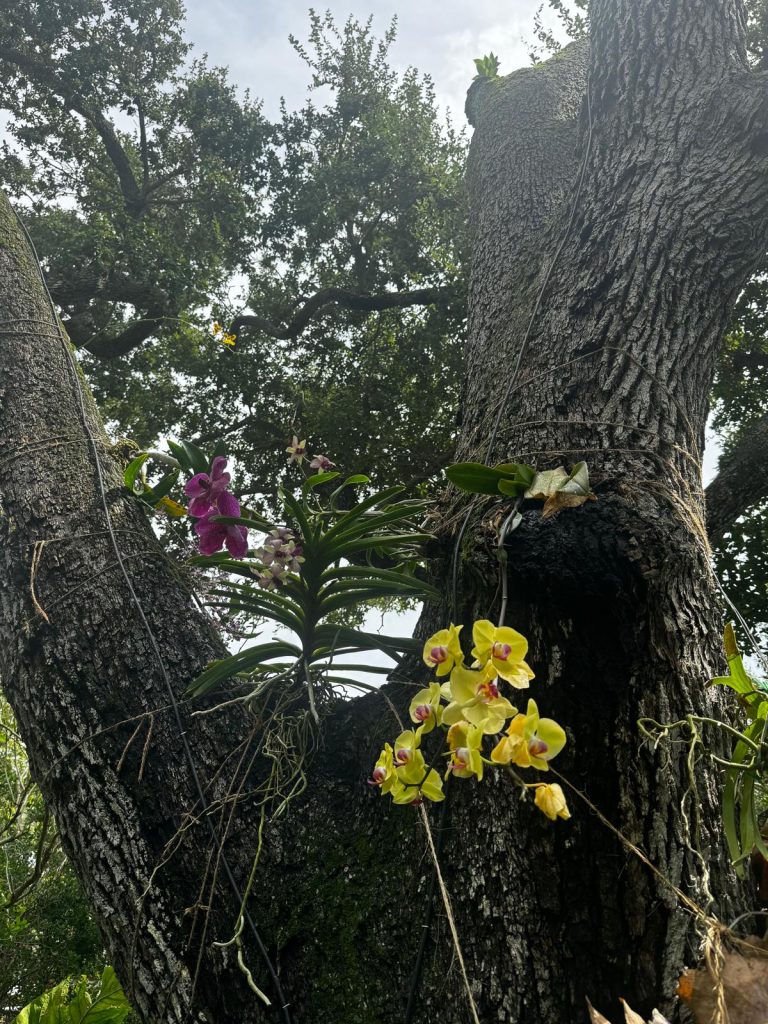
Native Region: Hybrids often combine traits from tropical regions worldwide, including Florida and the Caribbean
- Epiphytic orchids often grow on trees, deriving nutrients from air and rain.
- Require specific growing conditions like humidity and filtered light.
- Hybrid varieties are often bred for improved resilience and flower display.
Urban Garden Benefits: Adds exotic beauty and uniqueness and requires minimal soil disturbance.
Wildlife Attraction: Attracts specific pollinators like bees and moths.

Native Region: Southeastern United States, including Florida.
- Can live for centuries and grow very large, providing significant canopy cover.
- Acorns are an important food source for wildlife.
- Supports a vast array of epiphytic plants like orchids and bromeliads.
Urban Garden Benefits: Provides shade, improves air quality, and offers habitat for wildlife.
Wildlife Attraction: Attracts birds, squirrels, and insects due to acorns and foliage.
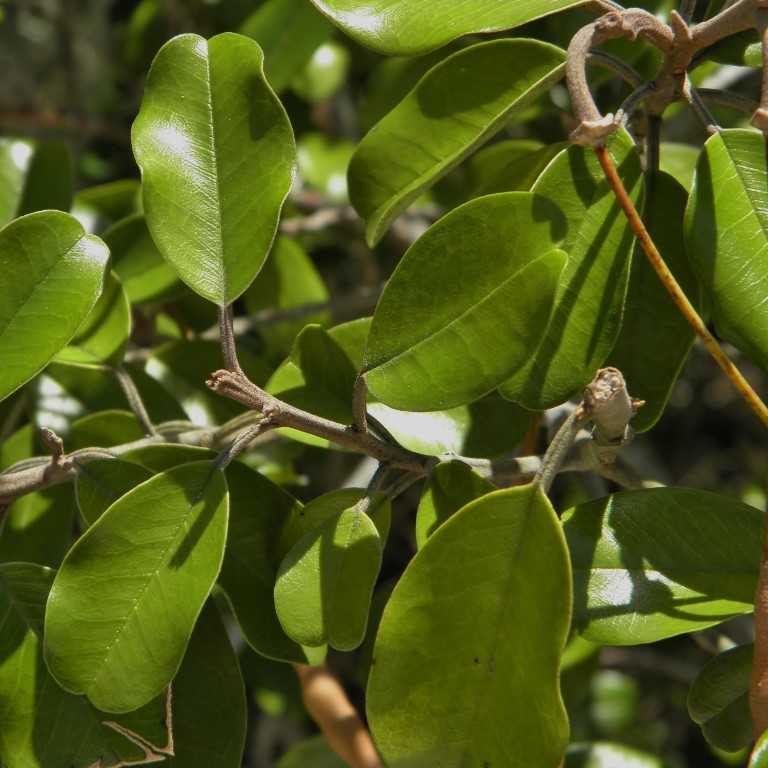
Native Region: Florida, the Bahamas, and the Caribbean.
- A hardy, salt-tolerant shrub that can grow in poor soil conditions.
- Produces small, inconspicuous flowers but is valuable for its dense foliage.
- Can be pruned into various shapes for landscaping.
Urban Garden Benefits: Low maintenance, ideal for hedges, and provides nesting sites for birds.
Wildlife Attraction: Attracts birds and small mammals who eat the berries.
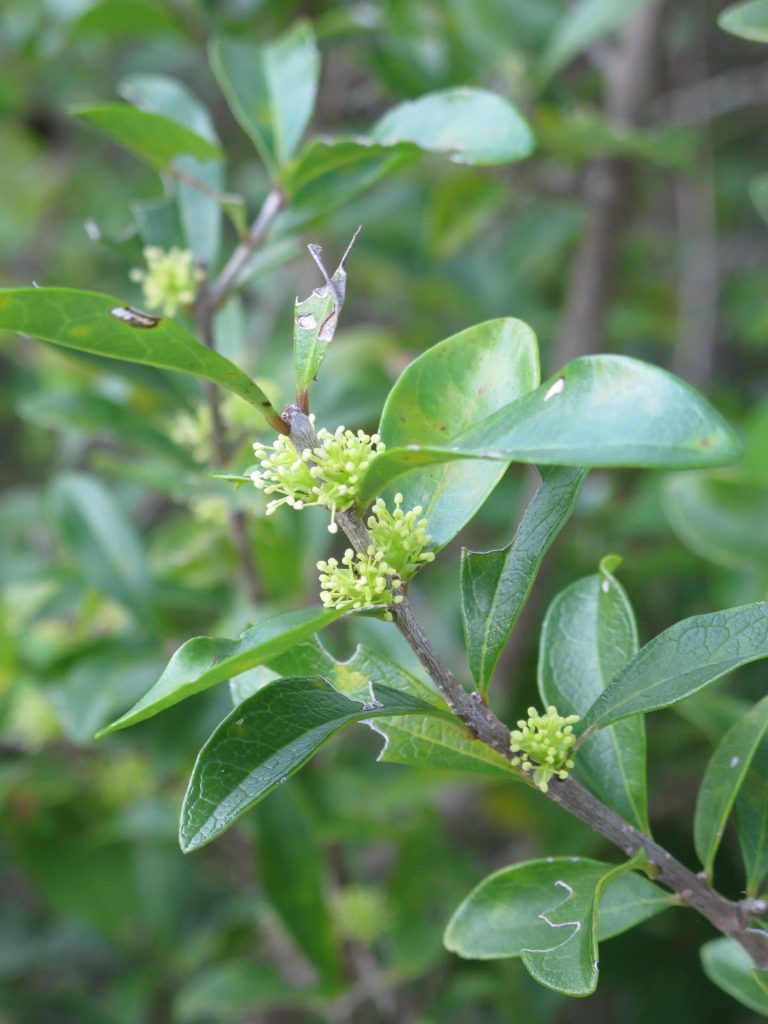
Native Region: Florida, Caribbean, and Central America.
- A small shrub with fragrant white and pink flowers that open at night.
- Drought-tolerant and thrives in sandy soils.
- Has attractive evergreen foliage that can be used as a hedge.
Urban Garden Benefits: Great for privacy, drought resistance, and attractive flowers.
Wildlife Attraction: Attracts bees, butterflies and birds due to its fragrant blooms.

Native Region: Caribbean and Central America.
- The berries are used as a spice in cooking, combining flavors of cinnamon, nutmeg, and clove.
- It can grow as a small tree with aromatic leaves.
- The bark and leaves have medicinal properties and are used in traditional remedies.
Urban Garden Benefits: Provides fragrance, culinary uses, and medicinal benefits.
Wildlife Attraction: Flowers attract bees and other pollinators.
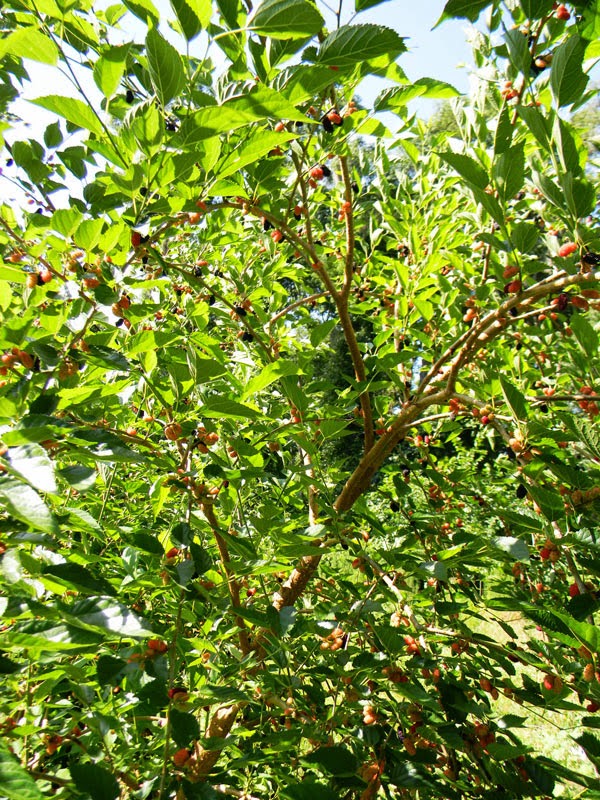
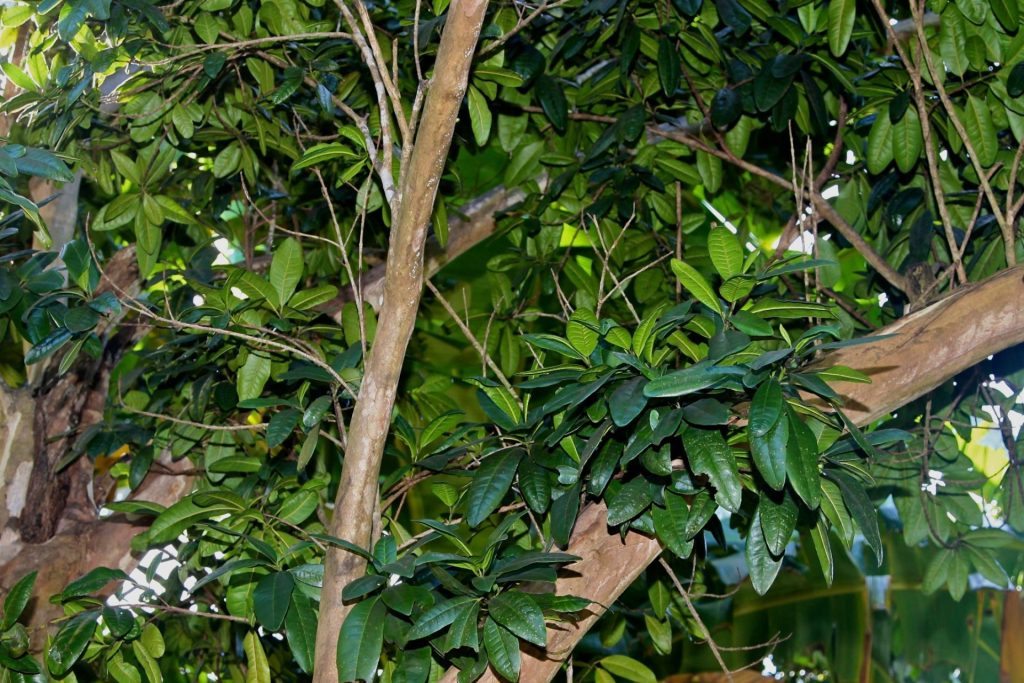
This garden isn’t just a space—it’s a statement of what’s possible when we let nature lead.
Interested in transforming your own garden?
Urban ecology
Reach out to Casey Zap to bring the beauty of biodiversity to your own garden.